Drone Propeller Thrust Stand
A test stand that turns duct-thruster performance into data.
Summary
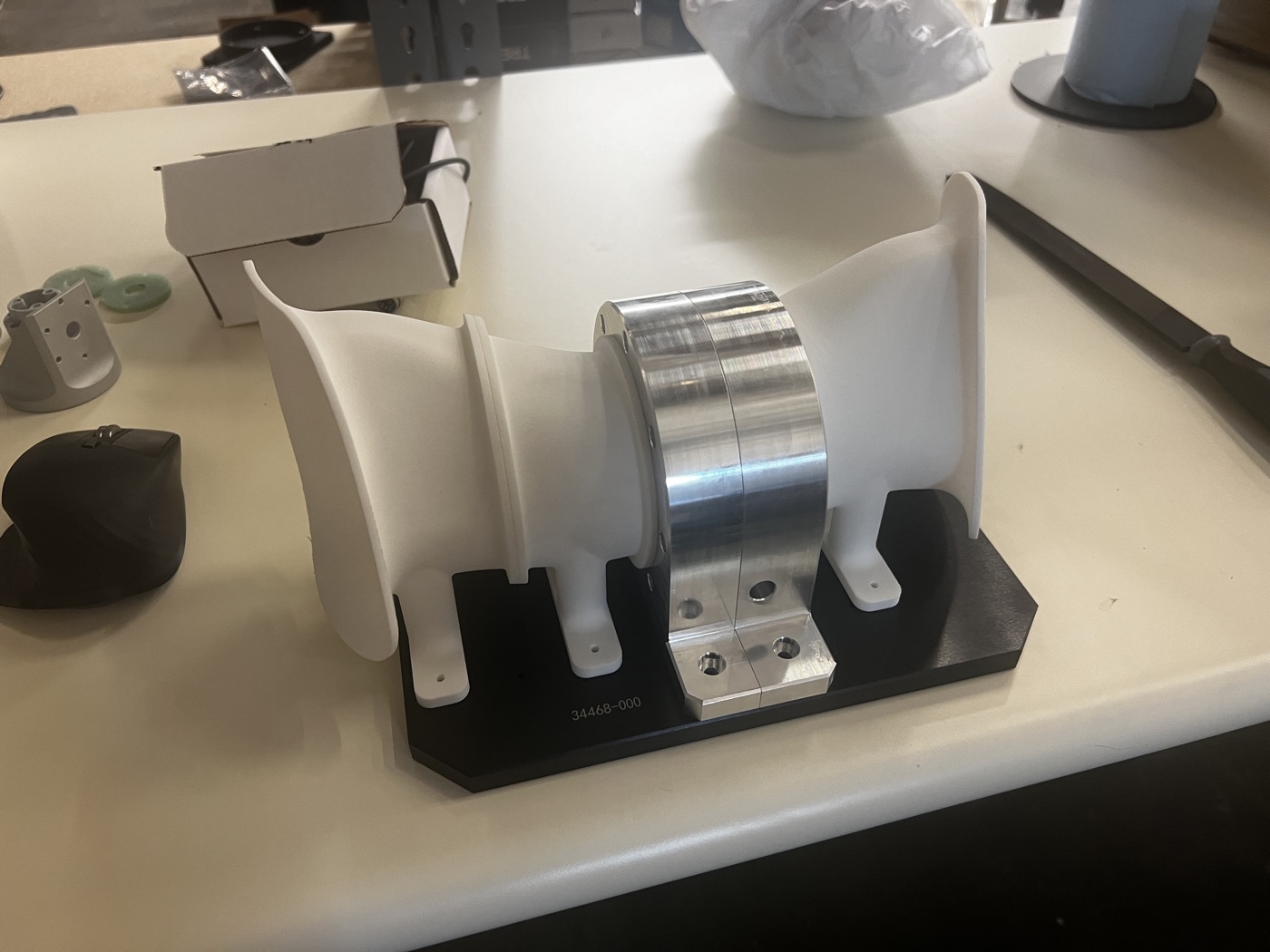
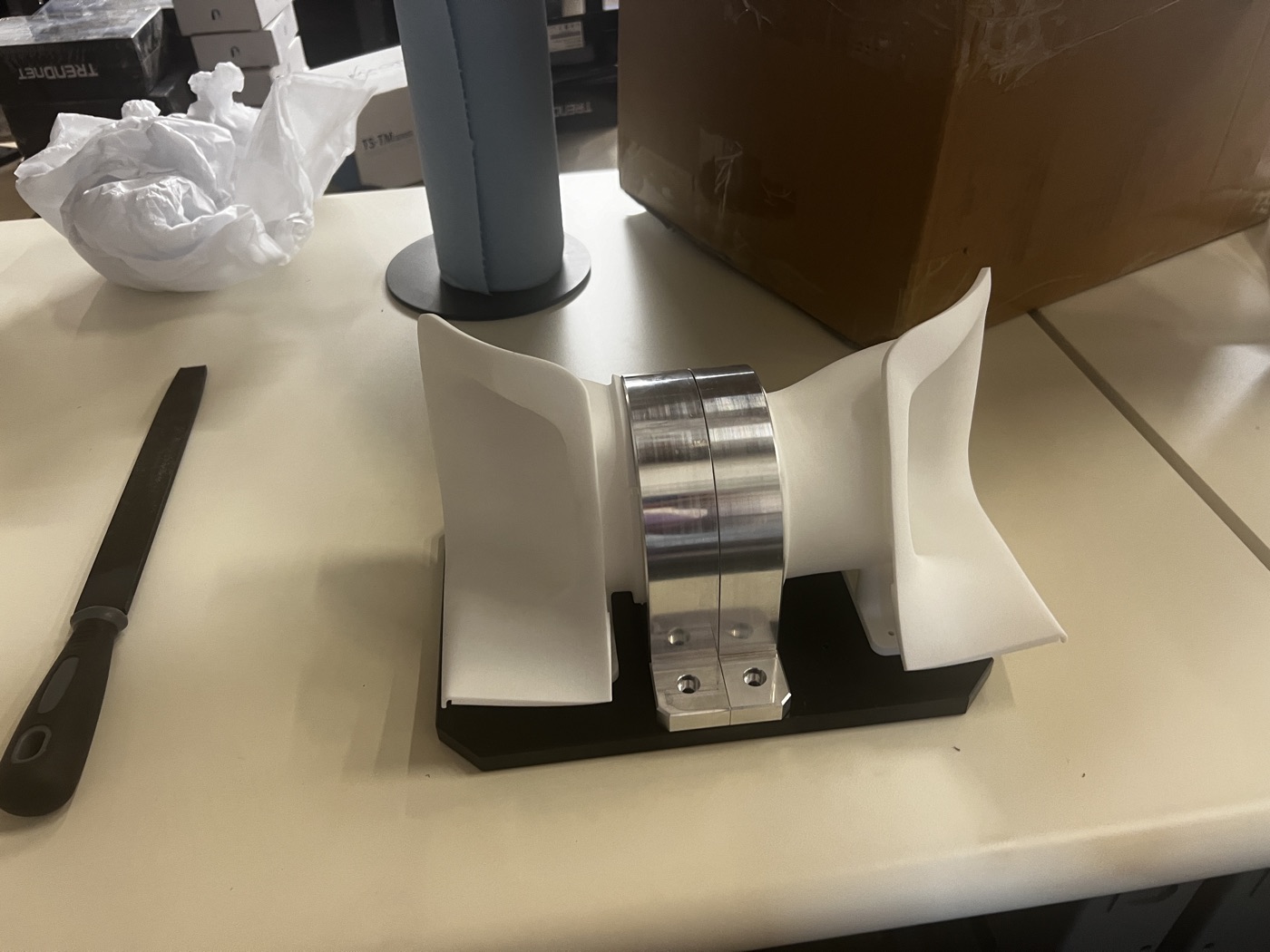
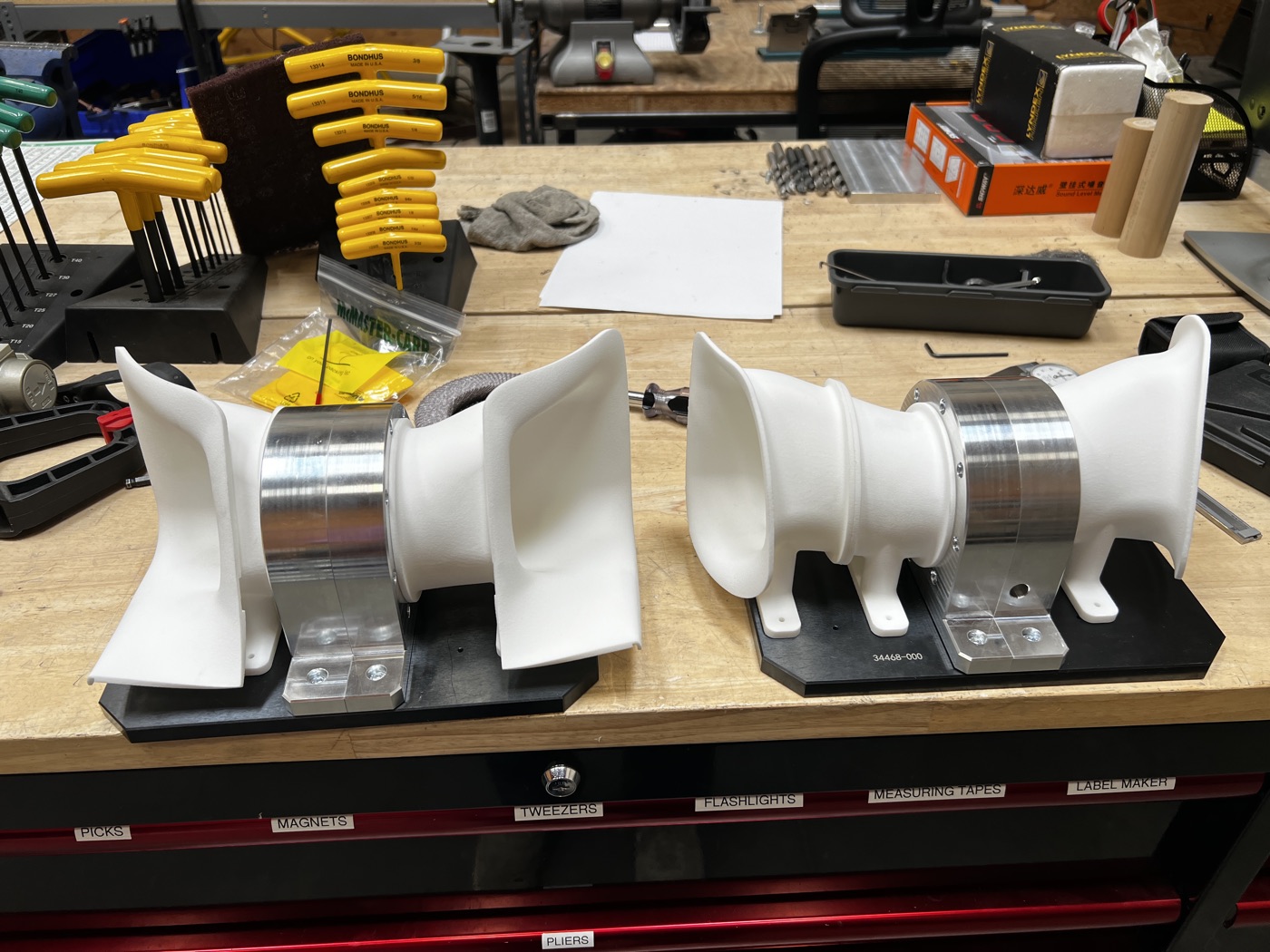
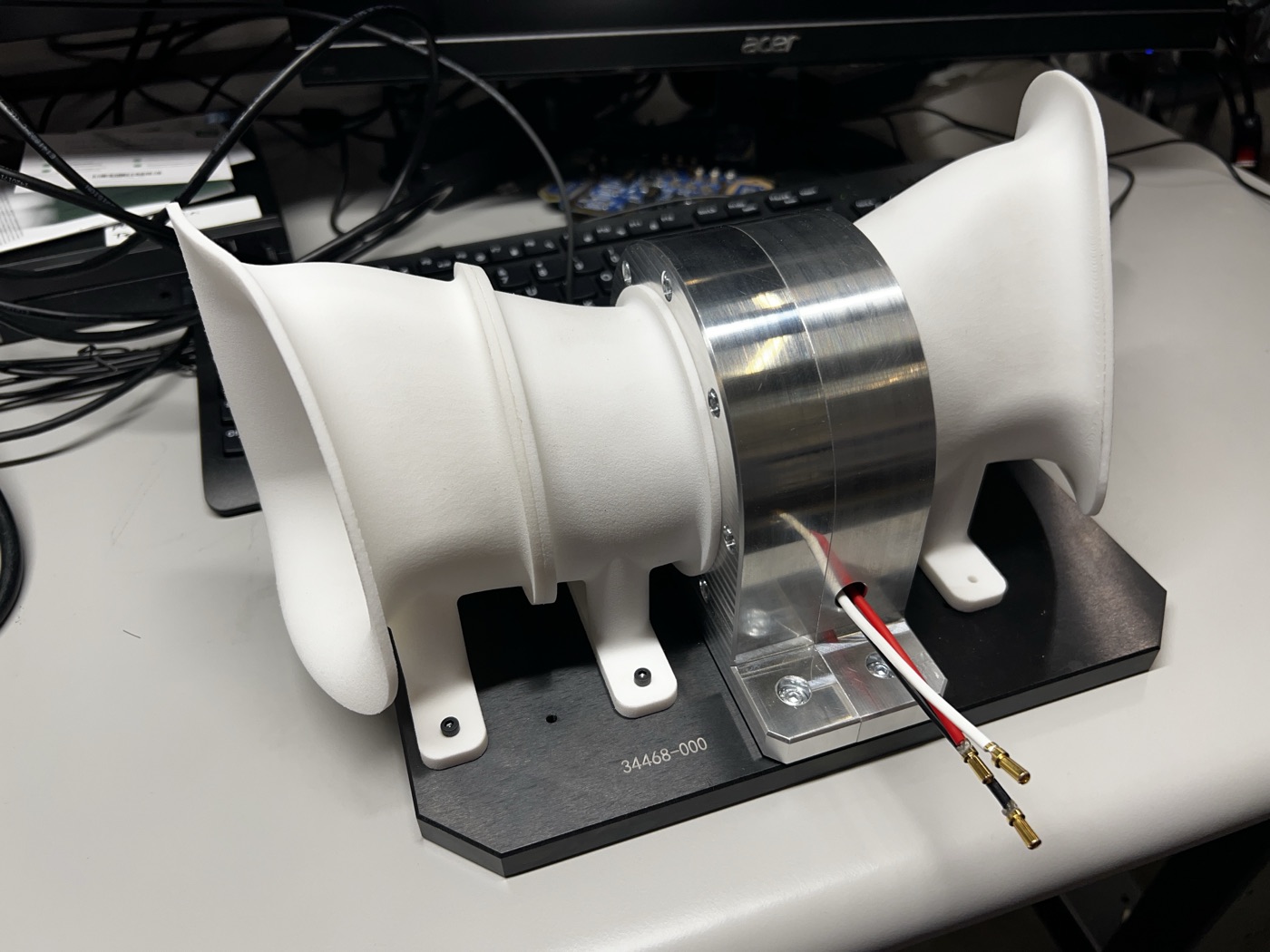
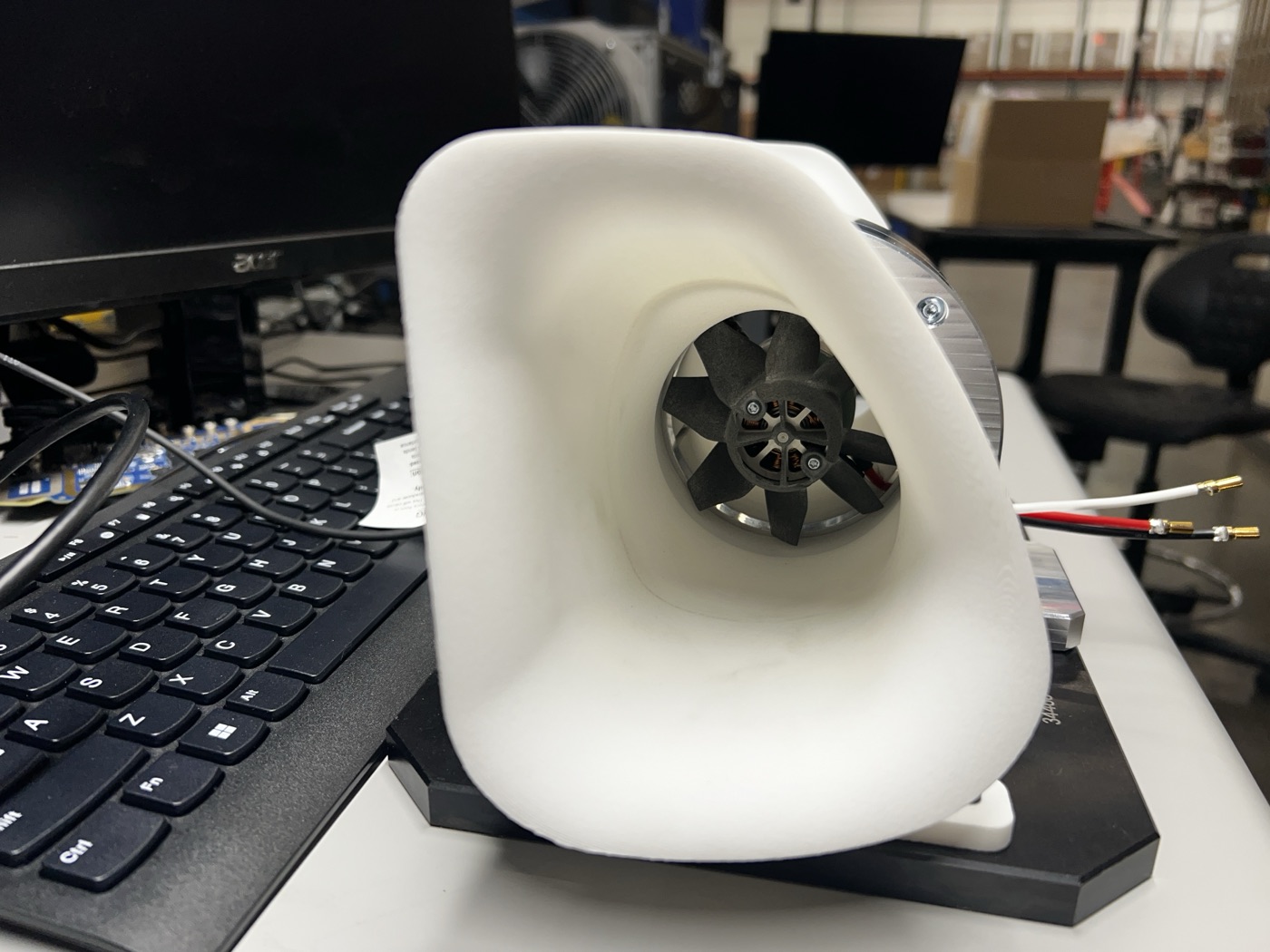
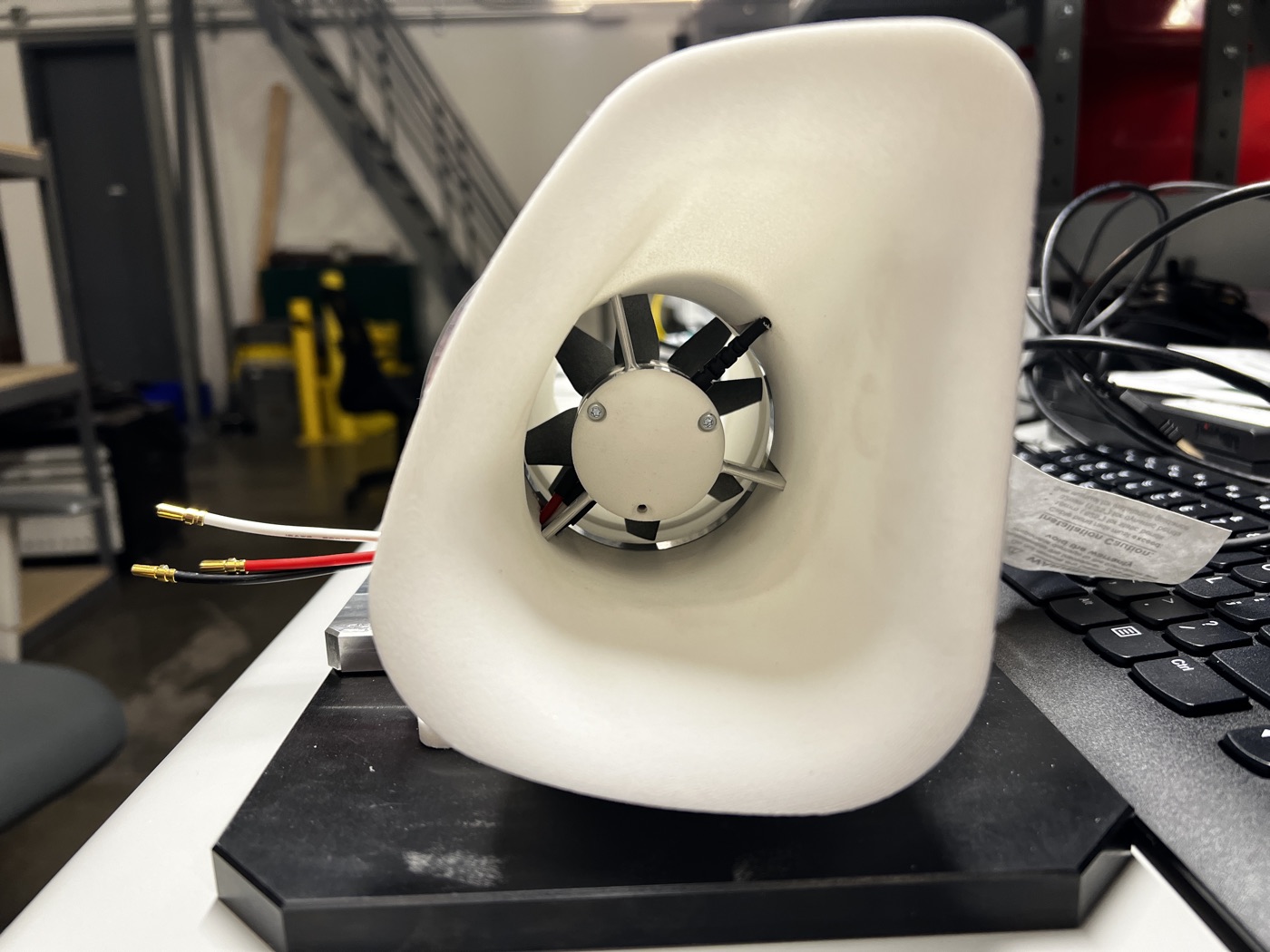
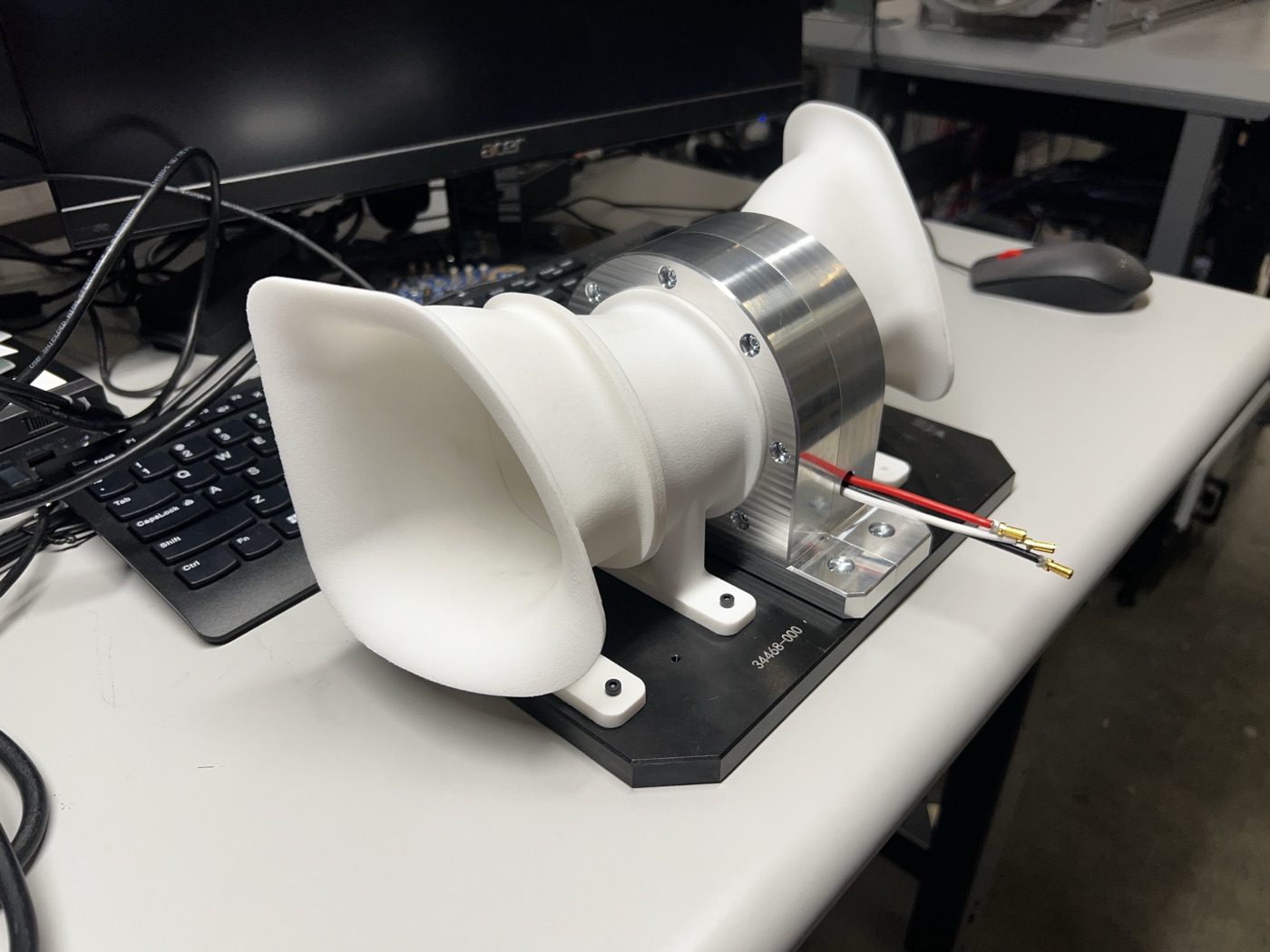
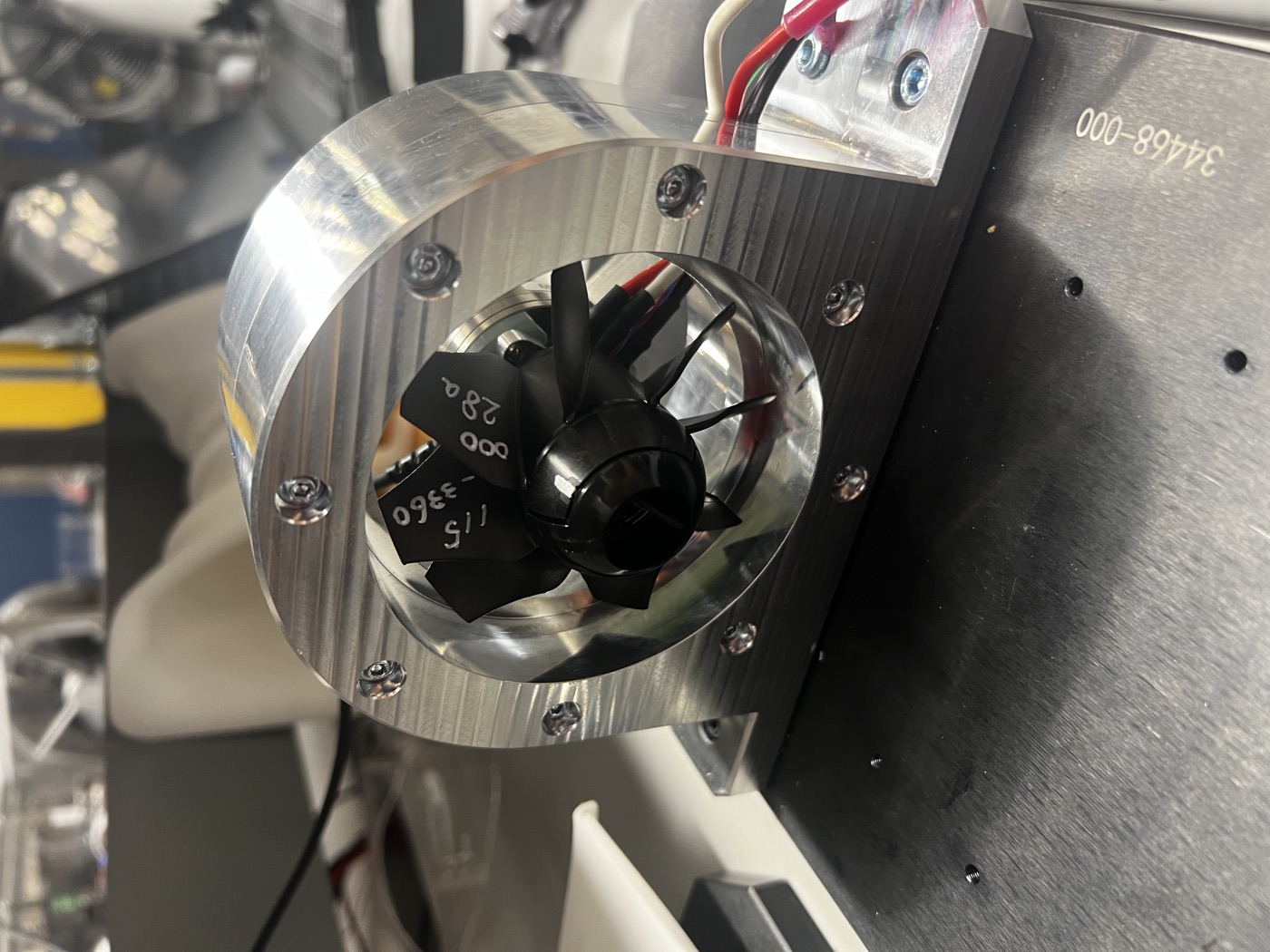
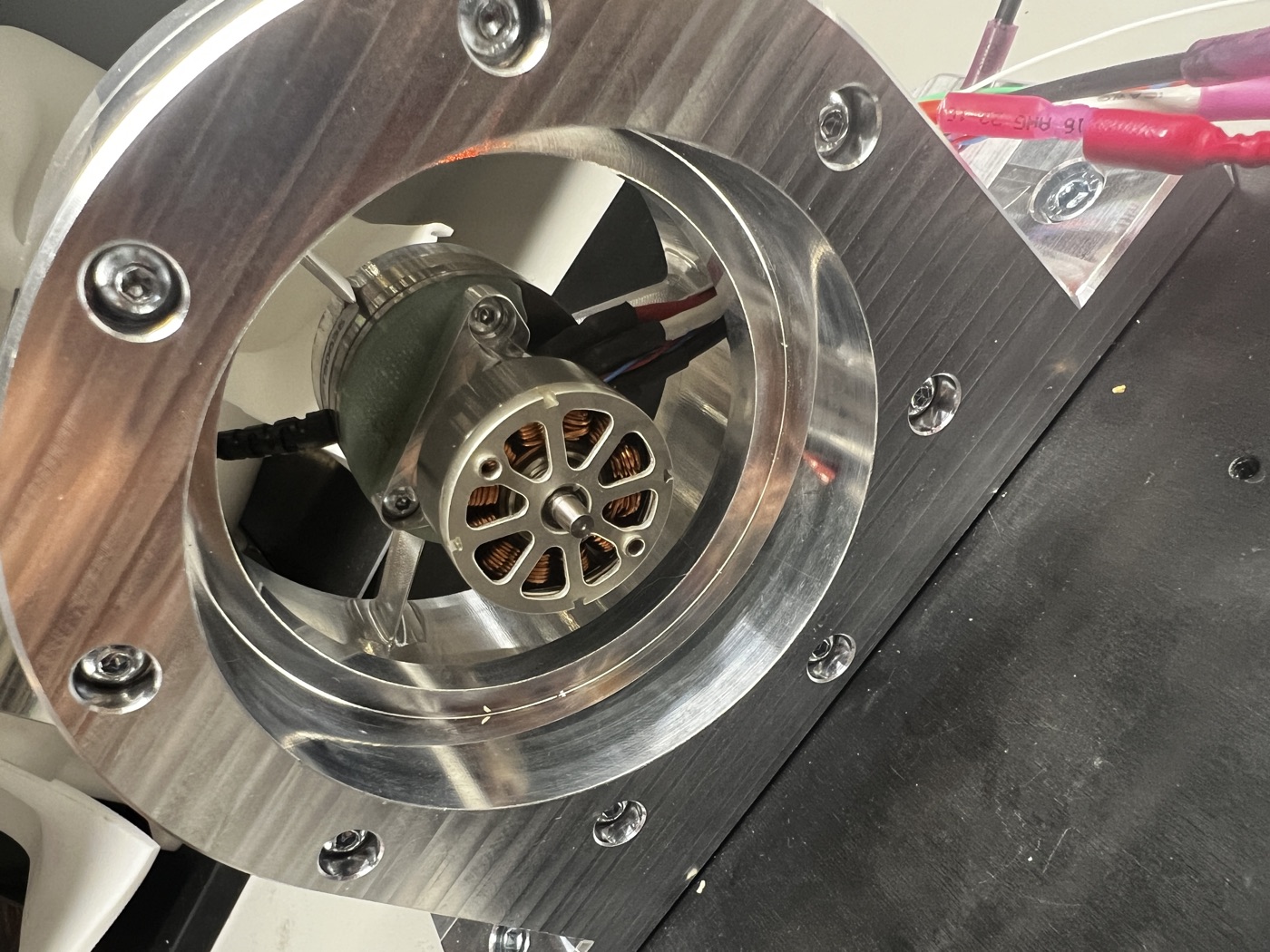
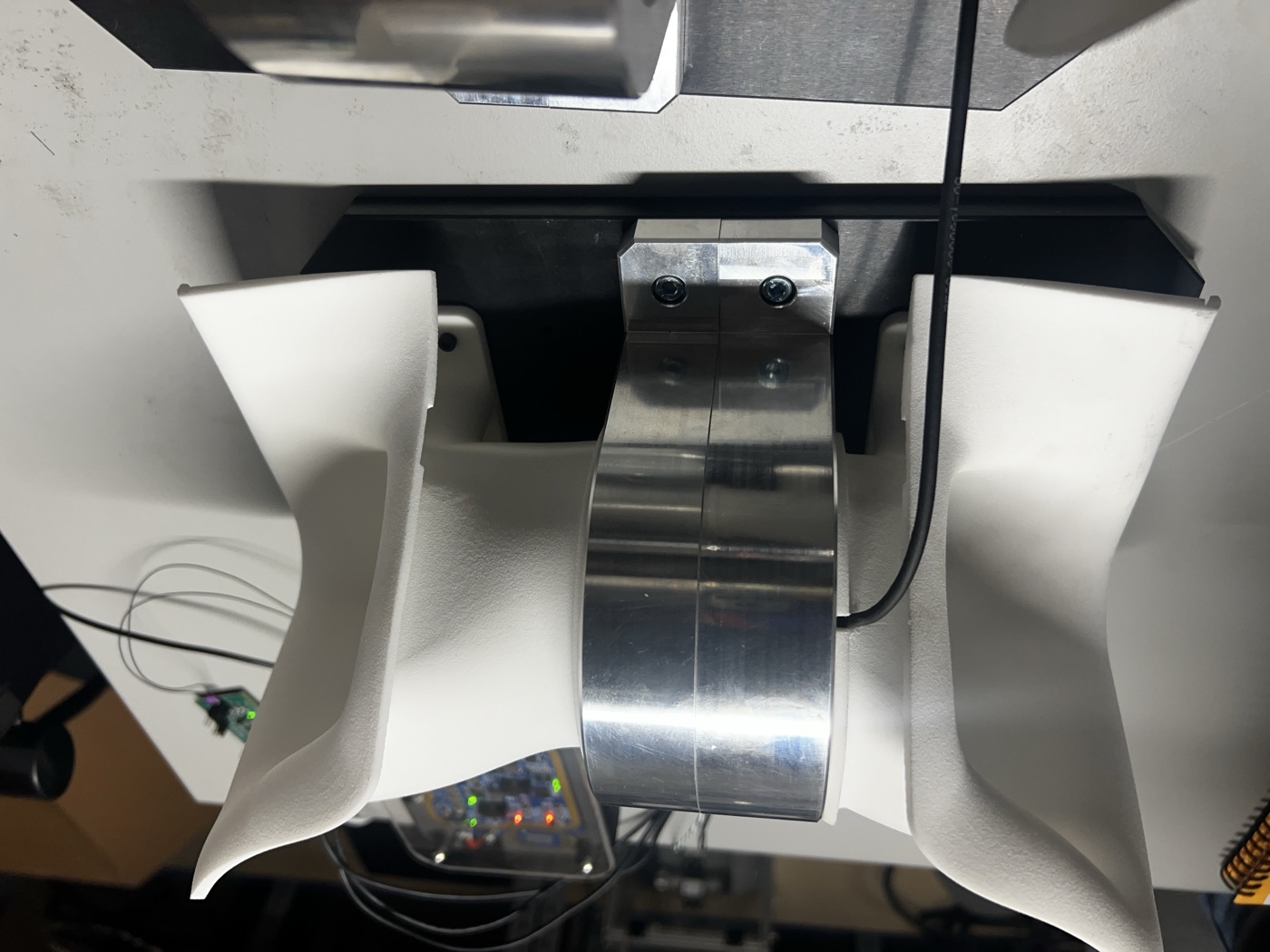
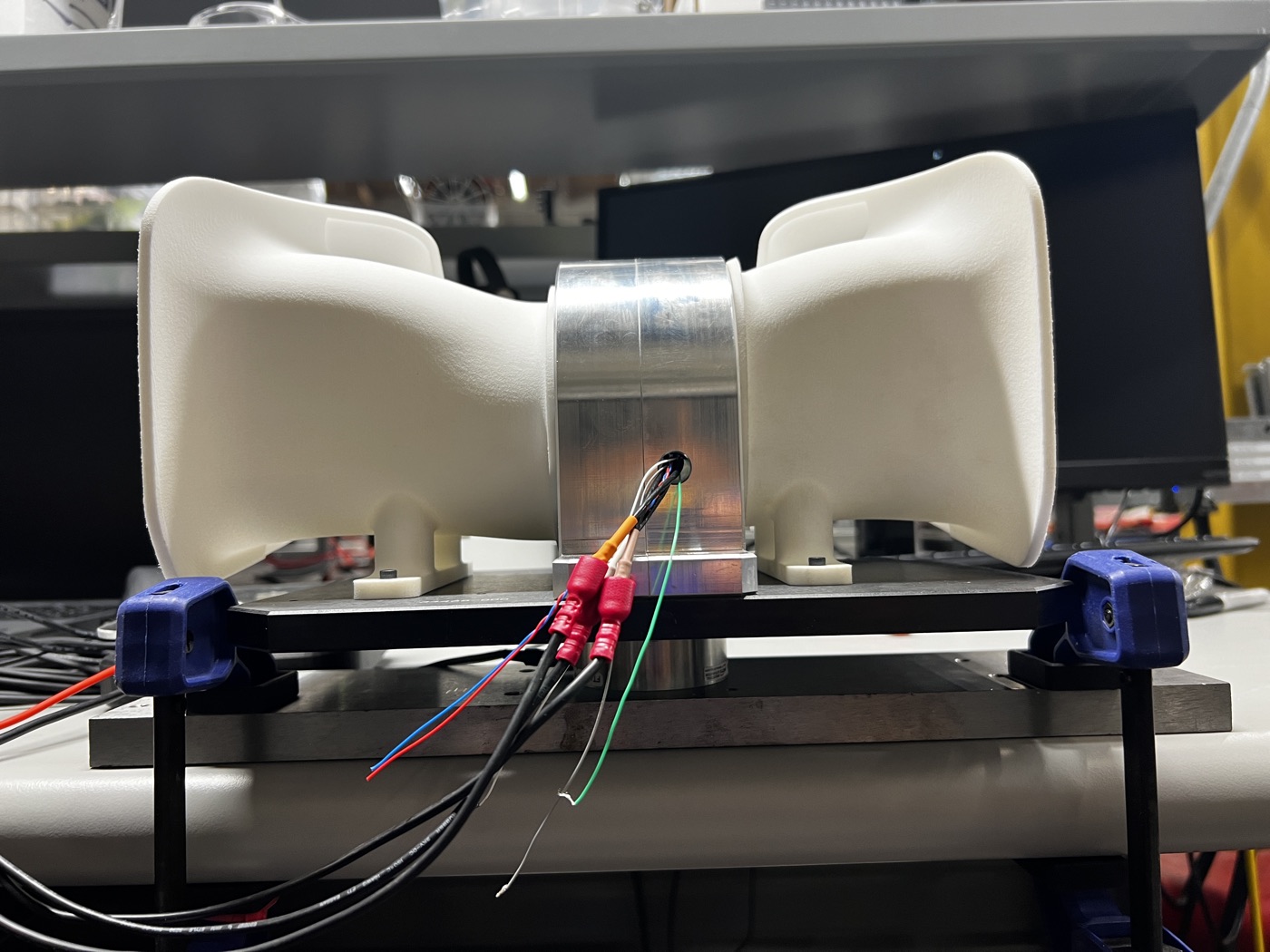
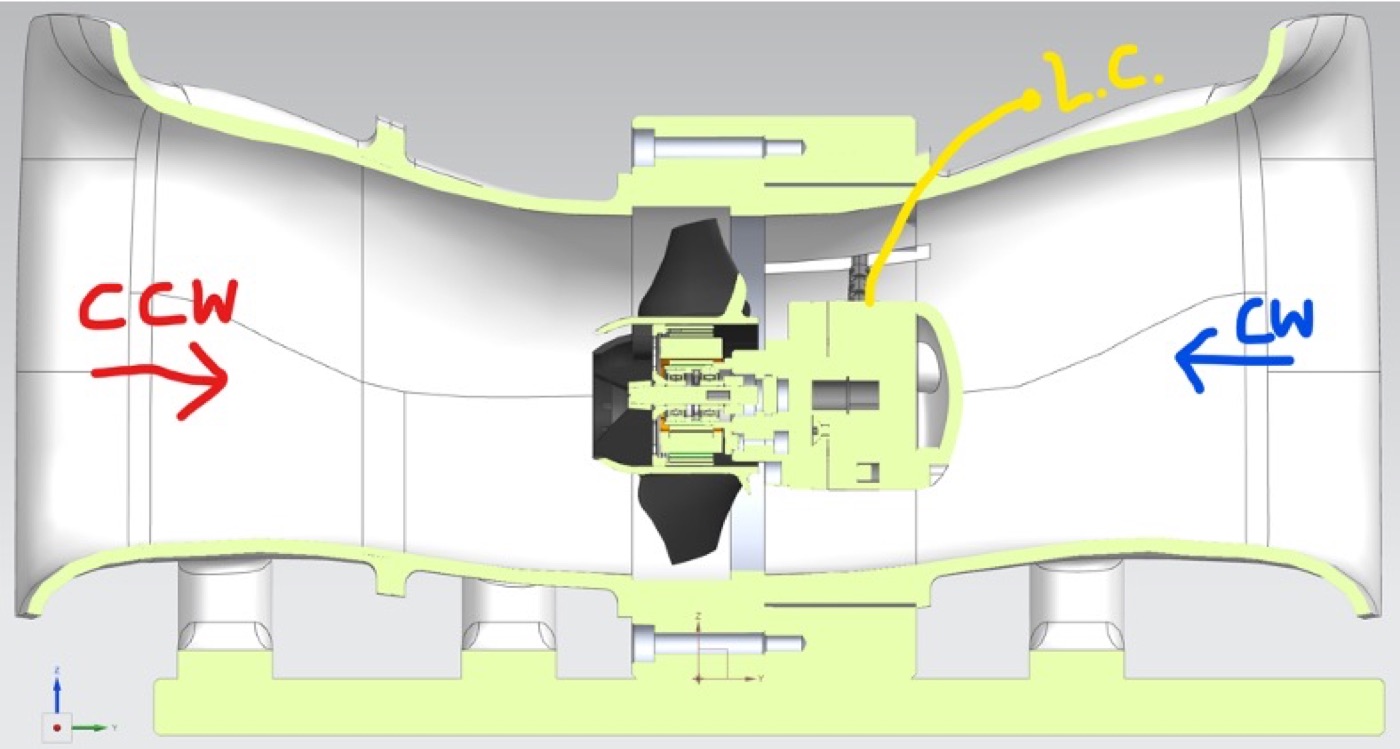
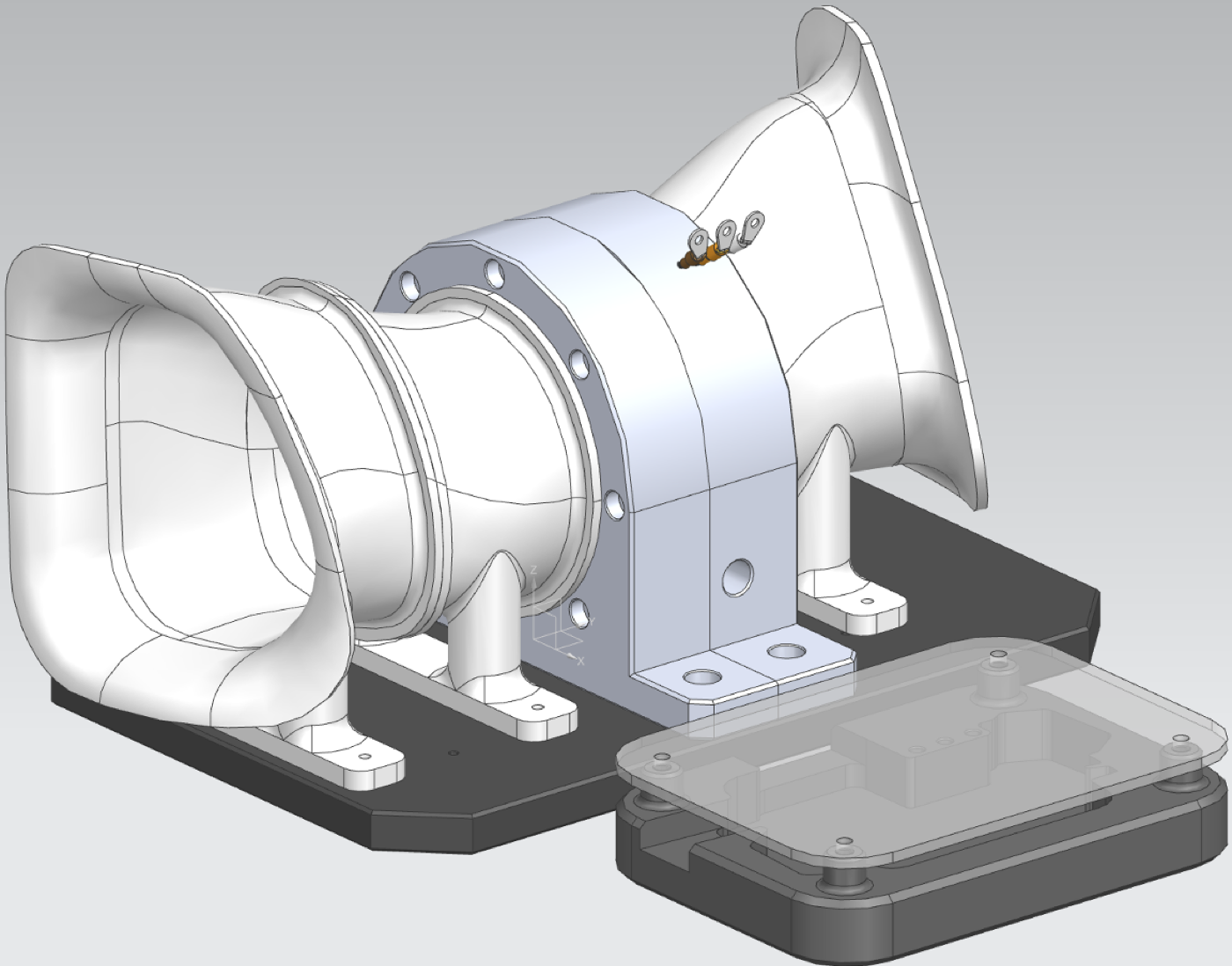
I built a thrust stand for a drone-delivery startup to measure how their yaw thrusters performed. The thrusters run inside ducts and push both ways, so the stand had to automate endurance, thermal, and vibration testing and log clean data on each one.
The Build
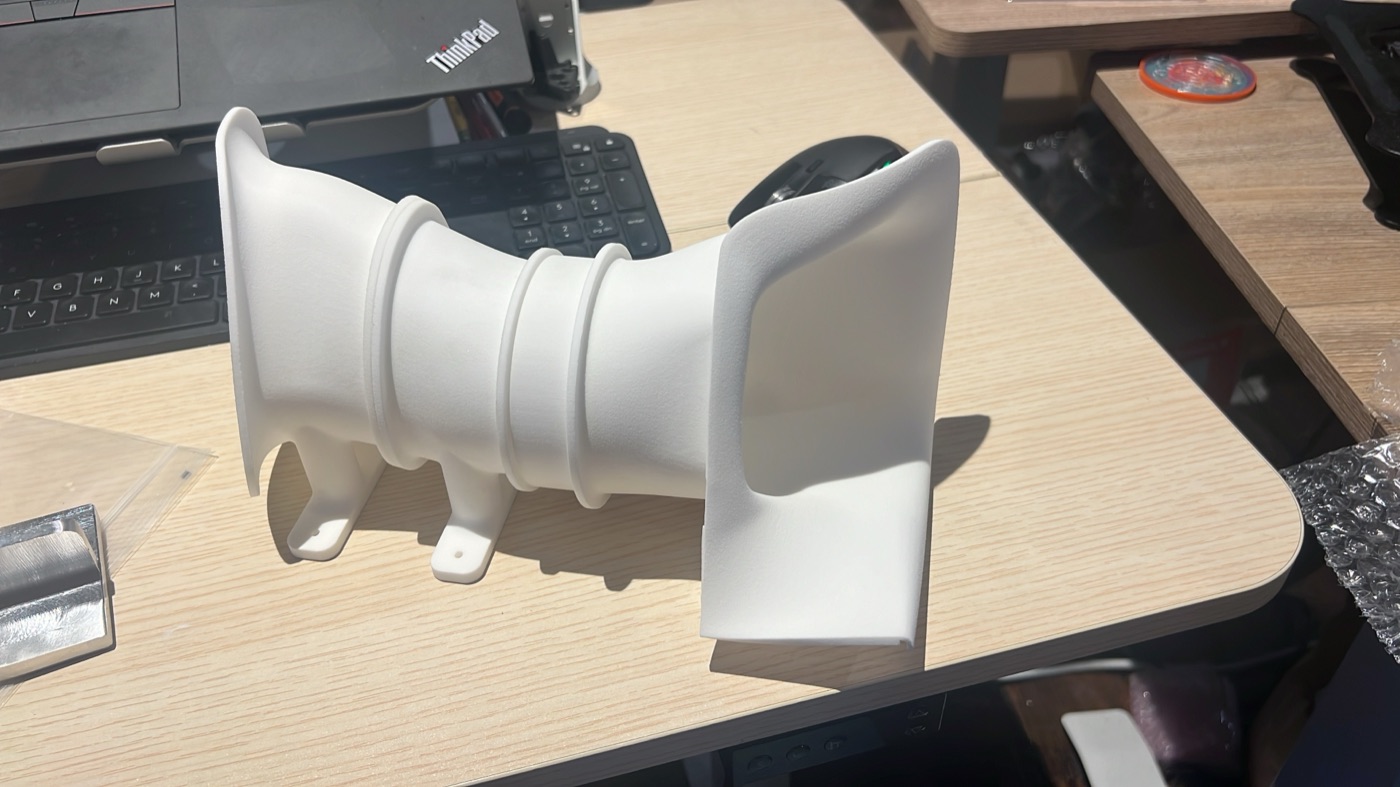
The aerodynamic surfaces began in Siemens NX, modeled to keep flow realistic over the ducts. I built the stand from machined aluminum and steel, using 3D-printed parts to validate airflow before committing to injection-molded propellers.
A motor controller, 6-DOF load cell, and rotary encoders captured torque and thrust, with wind-tunnel runs refining the numbers. From there I defined failure criteria and tuned thruster efficiency through CFD, FEA, and vibration testing.
Results
- A reliable platform for automated, repeatable thrust and endurance validation.
- Data-driven gains in thrust efficiency, duct geometry, and motor performance.
- Designed for DFM/DFA, a clean path from prototype to production.
Specifications
Gallery